Did you ever notice those “we buy houses in Raytown” ads everywhere but think it’s a scam? The good news is, many of these companies are actually legit. The bad news? If your home has certain outdated or controversial design choices, you might end up getting a lower offer than you expected. Buyers have strong opinions, and some trends—no matter how trendy they once were—can hurt your home’s value. Let’s talk about five of the worst offenders.
Well, Should You Make Some Changes?
Should you make changes or not? That depends on what buyers are looking for. A trusted home buyer—HouseMax—knows exactly what turns buyers away and what adds value. And sometimes, small updates can make a big difference when it’s time to sell.
The good news? You don’t have to stress over costly renovations or trendy upgrades. HouseMax buys houses in as-is condition, so you can avoid all those headaches and sell your home hassle-free.
Design trends come and go. What’s stylish today might be a home-selling nightmare tomorrow. If you want to protect your home’s value, watch out for these five trends that could scare off potential buyers.
Worst Design Trends That Could Decrease Your Home’s Value
The All-White Everything Trend
At first, an all-white interior feels clean. Minimal. Elegant. But then reality hits. White floors show every speck of dust. White cabinets get smudged in seconds. And that all-white living room? It feels more like a hospital than a home.
Buyers want warmth. They want character. If they walk into a house that looks like a sterile showroom, they’re thinking about how much work it’ll take to add personality. And if they’re already picturing repainting and redecorating, that means one thing—you’re losing value.
Oversized Jacuzzi Tubs in Tiny Bathrooms
Once upon a time, a giant jacuzzi tub screamed luxury. Now? It mostly screams why is this taking up half the bathroom?
People are moving toward sleek, spa-like showers instead. Waterfall showerheads. Frameless glass doors. More space to move around. A big tub that barely fits makes a bathroom feel smaller, and that’s the last thing buyers want. If your home still has a jacuzzi from the early 2000s, consider swapping it for a modern walk-in shower before listing.
Open Shelving in the Kitchen
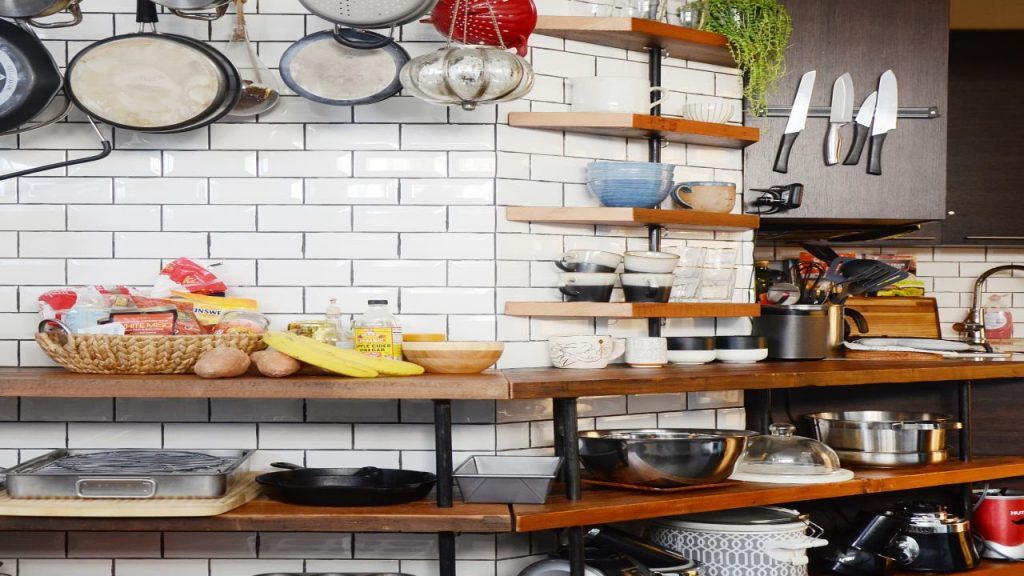
Open shelving looks amazing in photos. A carefully curated display of plates, cups, and artisanal spice jars? Beautiful. But let’s be real. No one’s kitchen actually stays that perfect.
In real life, open shelves collect dust. They demand constant organization. And for buyers with busy lives, they’re just a headache. A traditional cabinet setup hides the clutter. Open shelves? They put it all on display. If your kitchen still leans into this trend, you might want to rethink it before selling.
Too Much Customization
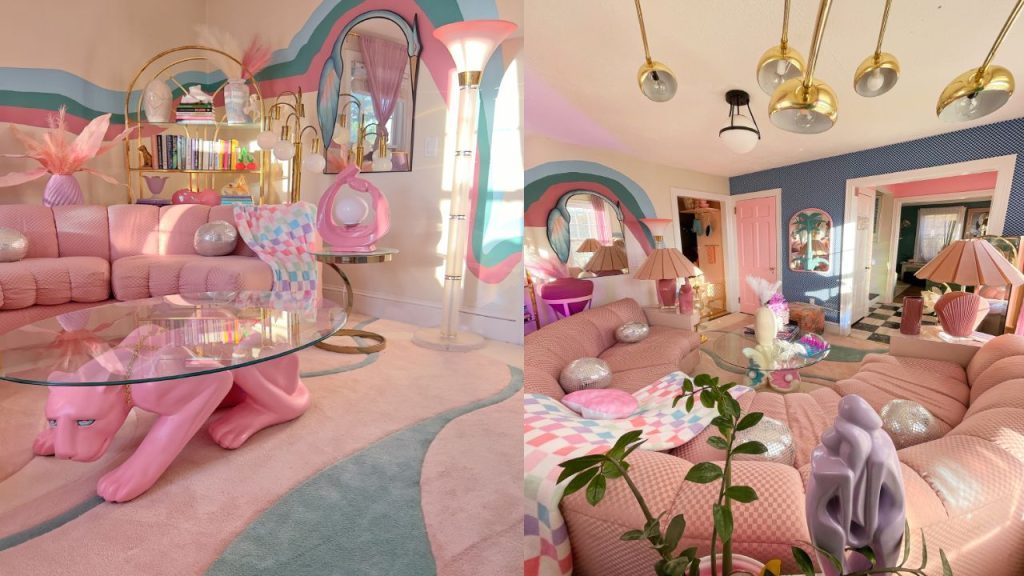
Ever walked into a home and immediately thought, Wow, this is very…specific? Maybe it’s a living room with a medieval castle theme. Or a bright pink kitchen. Or a bedroom with a mural of a giant dragon.
Here’s the thing—you might love it. But the average buyer? Probably not. Extreme personal taste can make it harder for people to see themselves living there. The result? Fewer offers. Lower offers. And a home that lingers on the market for way too long.
If your home is packed with ultra-personalized design choices, a little neutral paint and some simple staging can go a long way.
Over-the-Top Smart Home Tech
Look, a smart home is cool. We all love a gadget that makes life easier. But there’s a fine line between convenient and complicated.
Some high-tech features require apps, accounts, and troubleshooting. And guess what? Not all buyers are tech-savvy. If a home buyer walks in and sees a wall covered in digital controls, they might feel overwhelmed instead of impressed.
The best rule of thumb? Stick with the basics. Smart thermostats? Great. Smart lighting? Sure. But a complicated system for adjusting the blinds? That’s a tough sell.
Faux Luxury Finishes
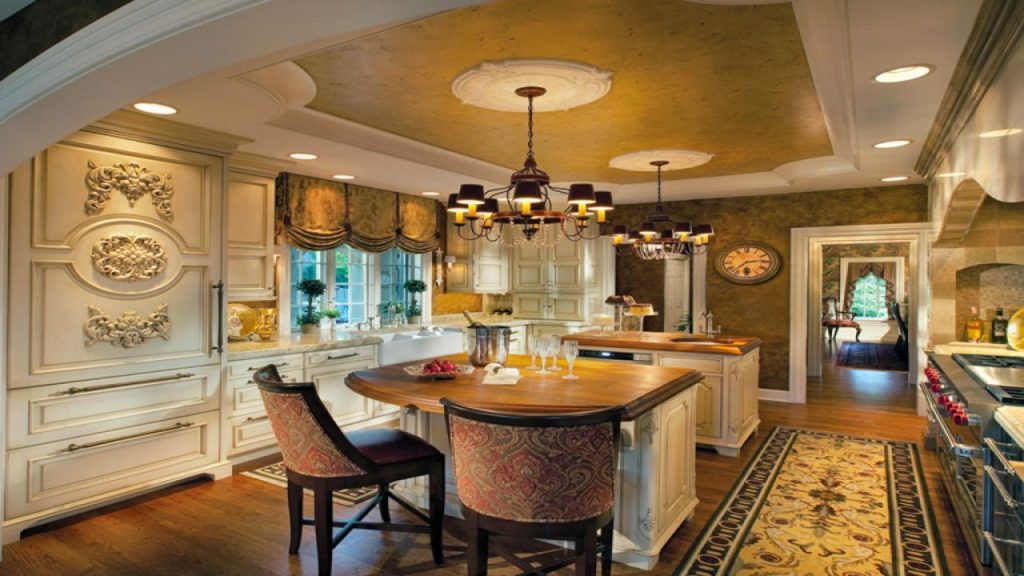
Granite countertops. Gold-accented chandeliers. Expensive-looking wallpaper. Sounds fancy, right? Here’s the problem: if the rest of the home doesn’t match, these “luxury” details can actually cheapen the overall look.
It’s like wearing a designer dress with flip-flops. It just doesn’t work.
Buyers are savvy. They can tell the difference between real quality and something that just looks expensive. Fake stone countertops? Obvious. Plastic-y gold fixtures? Cheap. If you want to add luxury, do it the right way—by investing in timeless, high-quality materials, not flashy trends that will be outdated in a year.
Too Much Wallpaper
Peel-and-stick wallpaper had a moment. But you know what? It’s a nightmare if you overdo it.
A statement wall? Sure, that’s fun. But when every room has a different loud pattern, it starts to feel like a carnival. And let’s not forget—some buyers have had traumatizing experiences scraping old wallpaper off walls.
If you’re planning to sell, it’s time to break up with your bold wallpaper obsession. Stick to neutral walls. Let buyers imagine their own style. That way, you’re attracting more people instead of scaring them away.
Carpet in the Bathroom
You step out of the shower, expecting to feel the cool touch of tile. Instead? A wet carpet squishing under your feet. Sound unpleasant? It is.
Carpeted bathrooms were a thing. Why? Who knows. But if your home still has one, expect it to be a deal-breaker for many buyers. Water and carpet don’t mix. Mold. Mildew. Musty smells. It’s a maintenance nightmare.
The fix? Swap it out for tile, vinyl, or waterproof laminate. It’s a simple upgrade that makes your bathroom feel cleaner, more modern, and way more buyer-friendly.
The Bottom Line
Some design trends just don’t age well. And when it comes time to sell, these outdated choices can actually cost you. If your home has any of these five features, it might be time for a refresh. It doesn’t have to be a complete remodel—sometimes, a coat of neutral paint or a simple update can make all the difference.
Thinking about selling but worried your home’s design is holding you back? Consider reaching out to a trusted home buyer who buys homes in as-is condition. That way, you don’t have to stress about fixing everything up before selling. The right buyer will see the potential—no matter what trends have come and gone.