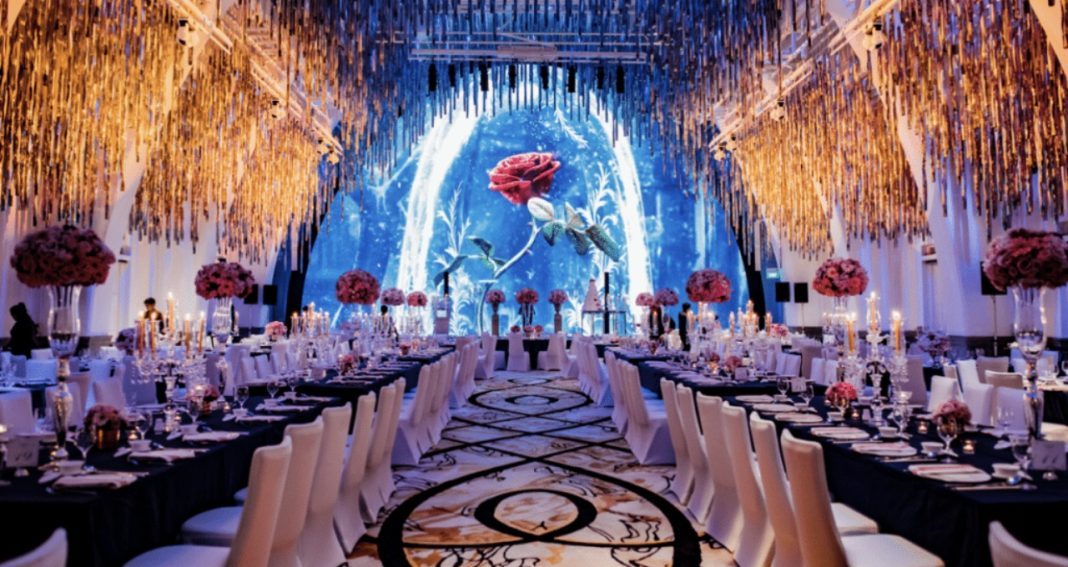
Walk into a well-run hotel restaurant anywhere from Lisbon to Kyoto and notice what changes the moment you sit down: the overhead lights dim, small flames appear at each table, and the room becomes something else entirely. It is not magic; it is a deliberate design decision that takes about thirty seconds to implement and costs almost nothing per table. Chefs and interior designers at properties like this have long understood that how a space feels matters as much as what comes out of the kitchen, and they build their environments around that idea from the start.
Recreating that effect at home is more achievable than most people realize, especially for anyone who already has a dining table worth sitting around. The missing piece, more often than not, is the right light source. Swapping overhead fixtures for taper candles puts the flame at eye level rather than above guests’ heads, where it can’t do anything for the atmosphere. That single change shifts how faces look, how voices carry, and how the entire meal feels to everyone seated there.
Why Hotel Restaurants Obsess Over Candlelight
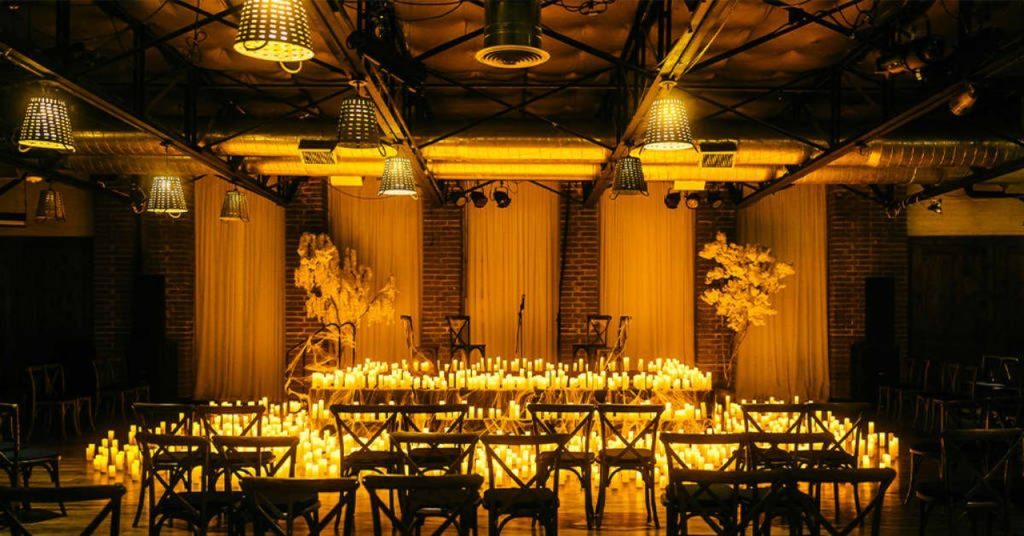
The economics of hotel dining rooms explain a lot. These spaces are often designed to serve breakfast, lunch, and dinner for very different crowds, which means the baseline decor has to be fairly neutral. Candlelight is one of the few tools that can radically shift the mood without any physical change to the room itself.
Research on lighting and social dining has consistently found that lower, warmer light encourages people to eat more slowly, talk longer, and rate meals more favorably, even when the food is identical to what they would eat under brighter conditions. Hospitality schools teach this. Hotel restaurants act on it.
Beyond mood, there is also the question of visual hierarchy. A lit candle on a table naturally draws the eye downward and inward, creating an intimate zone around a group of diners. Background noise from adjacent tables feels more distant. The room shrinks in the best sense of the word. It is a spatial trick that architects have understood for centuries, and the hospitality industry uses it every night.
The Right Height and Spacing for a Dining Table
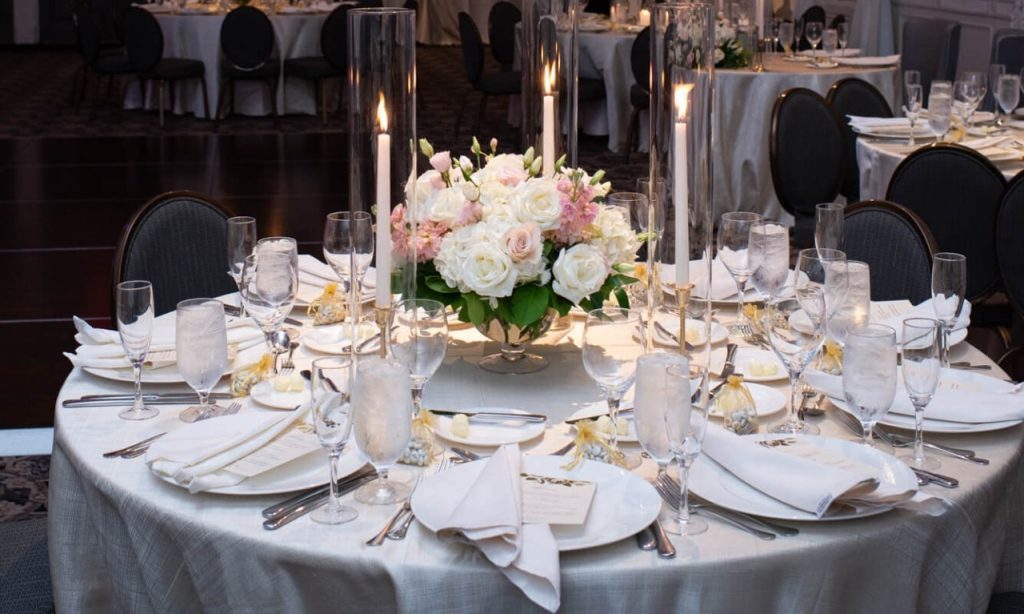
The most common mistake is buying candles that are too short. A taper that barely clears the table surface ends up obstructed by bread baskets and water glasses, and the flame sits in the most visually cluttered zone. Hotel dining rooms consistently use tapers that stand at least 10 to 12 inches in their holders, tall enough that the flame floats above the sightline between two seated guests rather than interrupting it.
Spacing matters almost as much as height. Three candles in the center of a standard six-foot table tend to work better than one statement piece, because the light reaches more of the surface without creating a bonfire effect. For longer tables, a staggered arrangement in clusters of two or three, with small gaps between them, covers the full length while keeping the flame count reasonable.
Holders are worth thinking about separately. Brass and iron have weight and don’t tip. Crystal reflects the flame and multiplies the visual warmth. The holder is doing structural and aesthetic work simultaneously, which is why buying the cheapest plastic option available often produces a setup that looks improvised regardless of how nice the candles themselves are.
Choosing Between Wax Types and Colors

Paraffin is the most widely available wax and the cheapest. It burns consistently, holds color well, and is what most candle aisles default to. The tradeoff is that paraffin is petroleum-derived and produces more soot than plant-based alternatives, which matters if you are burning several candles in a smaller or poorly ventilated dining room. Worth knowing before buying a full case.
Beeswax burns cleaner and longer than paraffin and emits a faint natural honey scent, slight enough that it won’t compete with food aromas. It is also stiffer, which means beeswax tapers hold their shape better in warm rooms. The price per candle is higher, but the burn time typically makes up the difference over an evening.
For color, there is a practical rule worth following: stay within two or three shades of your existing table setting, or go neutral with ivory or cream. Pure white works in minimalist setups but can read as sterile in warmer rooms. Black taper candles have become a genuine design choice in recent years, particularly for fall and winter dinners, though the effect depends heavily on what else is on the table and whether the rest of the space can support that level of contrast.
Layering Light: Candles Work Best in Context
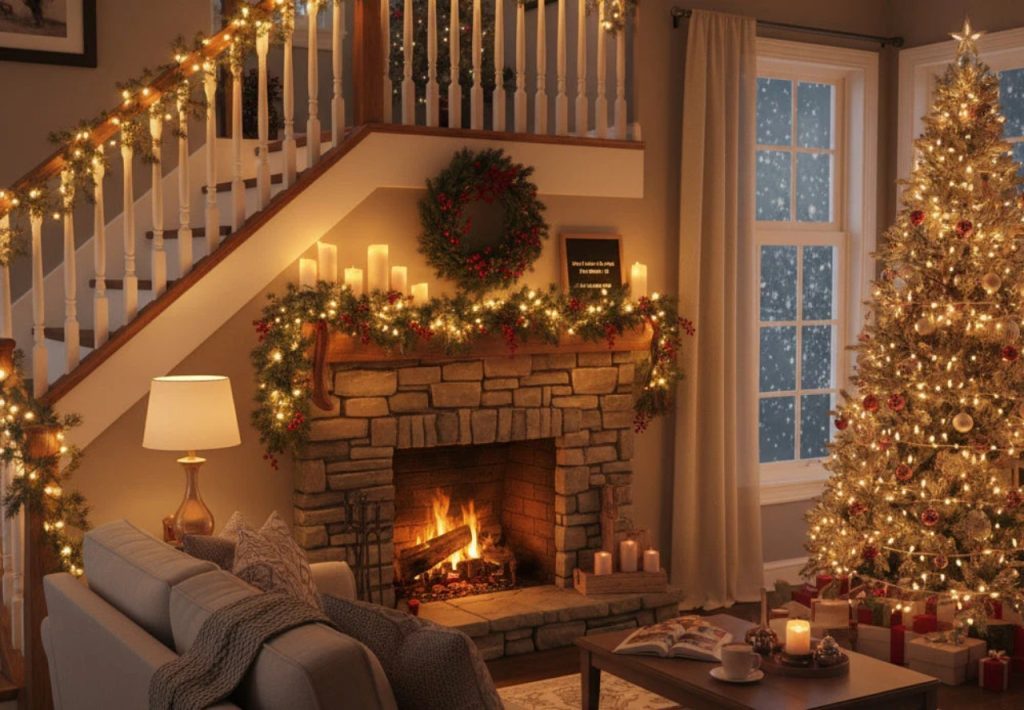
Hotel designers don’t rely on table candles alone. They layer: wall sconces at a medium level, task lighting over a service area, candles on each table. The candles set the mood, but background lighting prevents the room from feeling like a cave. At home, the equivalent is dimming overhead fixtures to their lowest setting and adding a lamp or two on nearby sideboards or countertops.
According to the U.S. Environmental Protection Agency, burning candles contributes to indoor particulate matter, which is a practical reminder to keep a window cracked or ventilation running when burning four or more tapers at once in an enclosed space. This is not an argument against candles; it is just part of thinking about the room’s airflow as part of the overall setup.
Scent layers the same way. An unscented taper on the table combined with a single scented candle placed elsewhere in the room creates atmosphere without overwhelming the aromas of the food. Most hotel dining rooms are deliberately fragrance-free at the table level, and that restraint is worth borrowing.
Safety Habits That Let You Focus on Your Guests
A burning candle requires attention, not anxiety. The National Fire Protection Association reports that U.S. fire departments respond to roughly 7,600 home fires caused by candles each year. Most of those involve something combustible placed too close to the flame or a candle left burning without anyone nearby.
Both risks are straightforward to manage. Keep tapers at least six inches from cloth napkins, tablecloths with loose edges, paper, or any trailing decor. After seating your guests, do a quick visual pass with that in mind. Taper candles in fixed holders are more stable than votives or floating options, but they can shift if someone reaches across a crowded table, so holders with a wide, stable base earn their keep.
Extinguish candles before leaving the room for any stretch of time, and definitely before moving the gathering somewhere else in the house. A candle snuffer costs almost nothing and avoids the wax spray that blowing causes. These habits take thirty seconds and remove most of the risk without touching the atmosphere.