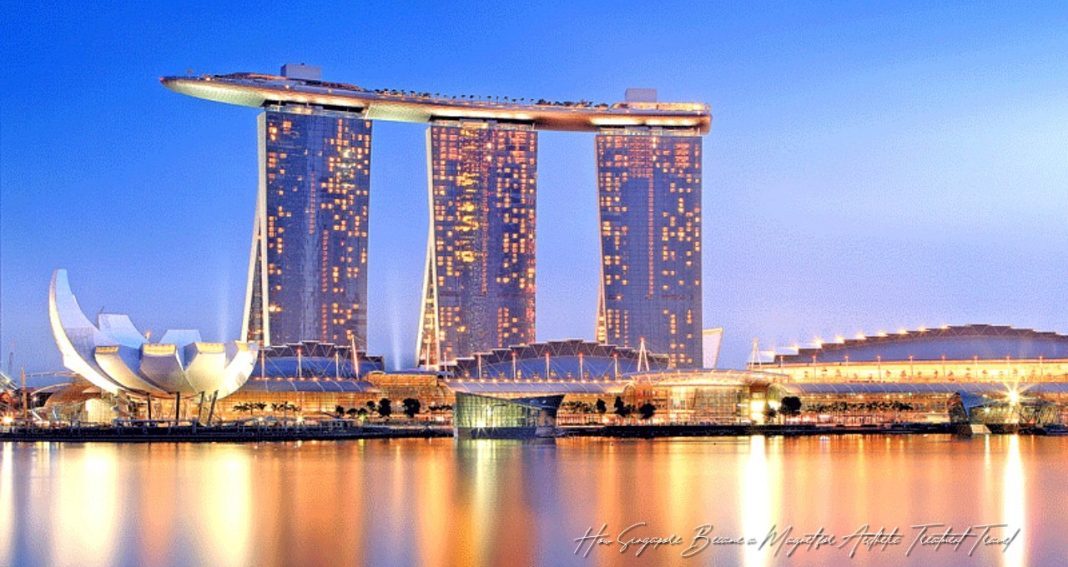
Changi Airport handles more than a hundred thousand international arrivals on a typical day, and a small but growing fraction of those visitors aren’t heading to Gardens by the Bay. They’re booked for laser appointments, filler sessions, or follow-up consultations at one of the city’s licensed aesthetic clinics. Singapore has quietly become a regional hub for cosmetic dermatology, pulling in patients from Indonesia, Malaysia, Vietnam, and increasingly from further afield.
The appeal is specific: regulated clinics, doctor-only injectables, English-speaking staff, and a medical system that answers to the Ministry of Health rather than a looser regulatory regime. Patients who already work with local dermatologists back home, for example those who visit clinics like https://luminederm.com/, sometimes schedule more involved treatments during Singapore trips because the clinical standards feel familiar. That combination of travel convenience and trust is what makes the country stand out against cheaper competitors in Bangkok or Seoul.
What Draws Travelers to Singapore for Cosmetic Work
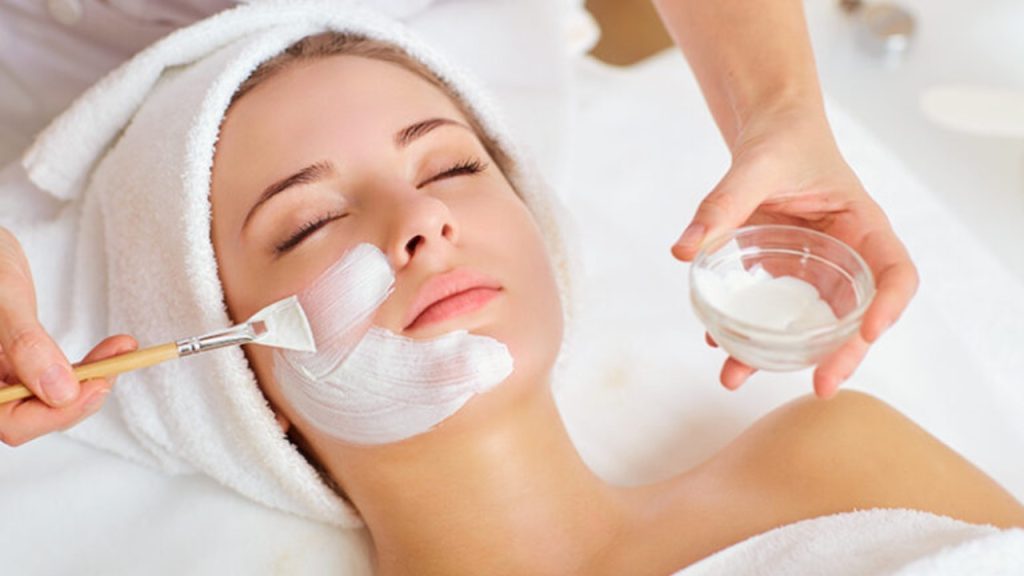
Price is not the selling point. Singapore is expensive compared with Thailand or Malaysia, and nobody who shops purely on cost ends up at a Raffles Place clinic. What patients actually want is the combination of medical rigour and a holiday that doesn’t feel like convalescence. The aesthetic procedures in Singapore scene has settled into a middle ground, sophisticated enough to attract discerning patients, relaxed enough that nobody is rushing through consultations to hit a quota.
Travelers tend to pair a three or four day clinical stay with a short tail of actual sightseeing. Marina Bay, Tiong Bahru, and the heritage shophouses of Joo Chiat are easier to enjoy when you’re recovering from a non-ablative laser session than when you’ve just had deeper surgical work elsewhere. That’s a planning advantage most people underestimate until they’ve done both.
The Regulatory Backdrop
The Ministry of Health Singapore publishes explicit aesthetic practice guidelines covering which procedures require a doctor versus a nurse or aesthetician. The framework designates categories, List A for generally accepted procedures and List B for procedures allowed only under specific evidence-based conditions. That granularity matters. In looser markets, a filler appointment might be handled by a technician with modest training. In Singapore, the doctor performs the injection, documents it, and carries the liability.
This doesn’t make results perfect. Complications still happen, and bad outcomes still exist. What the regulation does is make the accountability chain short and visible, which is something travelers factor in when they’re weighing a procedure abroad against staying home.
Where Travelers Actually Go
The clinic clusters are predictable. Orchard Road handles high-end brands, the CBD and Raffles Place cater to professionals on lunch-break schedules, and Novena Medical Center anchors the consolidated medical tourism traffic. Patients who want quieter settings head to Tanglin or Holland Village, where the practice footprints are smaller and consultations tend to run longer.
Hotels have started to adapt too. A handful of service apartments near medical hubs now market to aesthetic tourists specifically, offering late checkout, low-light recovery rooms, and grocery partnerships so you’re not wandering around post-treatment looking for soft food. Research on aesthetic medical tourism in Asia published by the US National Library of Medicine notes that this kind of infrastructure buildout is a strong predictor of destination longevity. Singapore has most of the pieces in place.
Choosing the Right Treatments to Travel For
Some procedures travel well, others don’t. Energy-based treatments with short downtime like pico laser, HIFU, and RF microneedling are easy fits for a short trip. Injectables follow the same pattern. Botulinum toxin and hyaluronic acid fillers settle within a few days, so a week-long visit is more than enough to handle the procedure and any adjustment appointment.
What I wouldn’t travel for is anything surgical with a multi-week recovery window. Facelifts, surgical rhinoplasty, and deep ablative resurfacing are best done where your follow-up care lives. The logistics of flying home during the worst of the swelling phase are miserable, and complications are harder to manage at 38,000 feet than at your local clinic.
What the Experience Actually Feels Like
First-time visitors are often surprised by how quiet Singapore clinics are. Consultations run 30 to 45 minutes. There’s no upselling pressure. The receptionist doesn’t hand you a brochure on the way out. This restraint is partly cultural and partly regulatory, since advertising rules for medical services are strict, and clinics can’t offer time-pressured discount packages the way some overseas competitors do.
The other thing people notice is the paperwork. You’ll sign informed consent documents that explicitly list the risks and alternatives. If you’ve been to clinics that treat consent as a formality, this can feel like bureaucratic overkill. It’s not. It’s part of why returning patients trust the system enough to fly back year after year for maintenance appointments.