Picture this. You’re wandering through the narrow, winding streets of an unfamiliar city. Your phone battery? Dead. No GPS. No map. Just you, a sea of strangers, and a whole lot of confusion.
Sounds terrifying, right? But what if we told you that basic math could help you find your way? No high-tech gadgets. No fancy navigation apps. Just logic, patterns, and a little spatial reasoning. Stick around, because by the end of this article, you’ll see cities differently—and maybe even feel a bit like a human compass.
Math and Public Transport
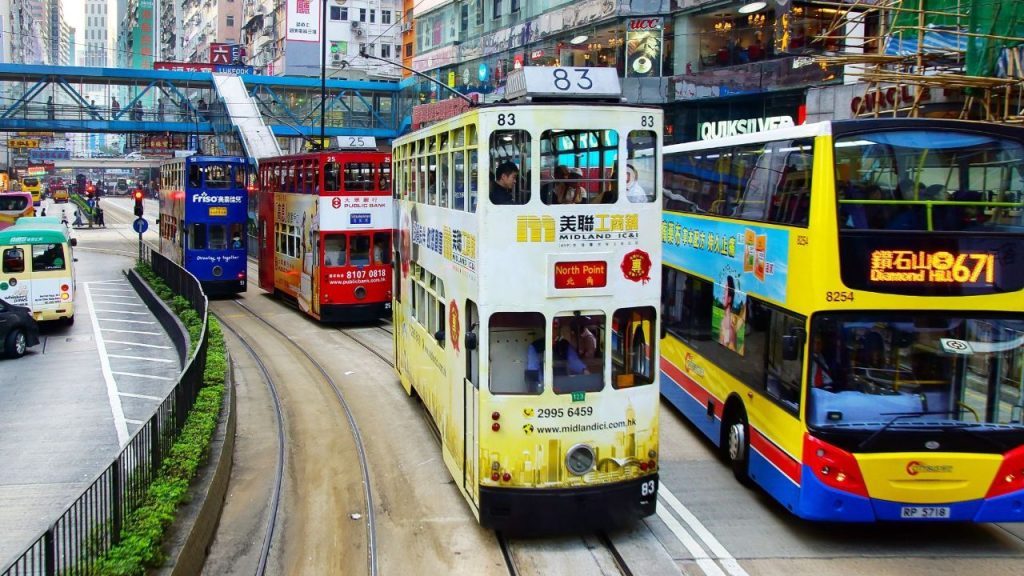
Ever stared at a subway map in a foreign language and felt completely lost? Math can help.
Most transit systems operate on networks, which means they follow predictable rules. If a subway has three main lines that intersect, you can usually reach any point by transferring between them. Even if you don’t understand the signs, you can use logic to figure out where to go.
Here’s another trick. Let’s say a bus route runs every 10 minutes. If two buses just passed, how long until the next one? That’s right—about 10 minutes. Understanding schedules, frequencies, and time intervals makes public transport way less stressful. If you’re struggling, a math tutor in Perth can help sharpen these skills before your next big trip.
Estimating Costs and Currency Conversions
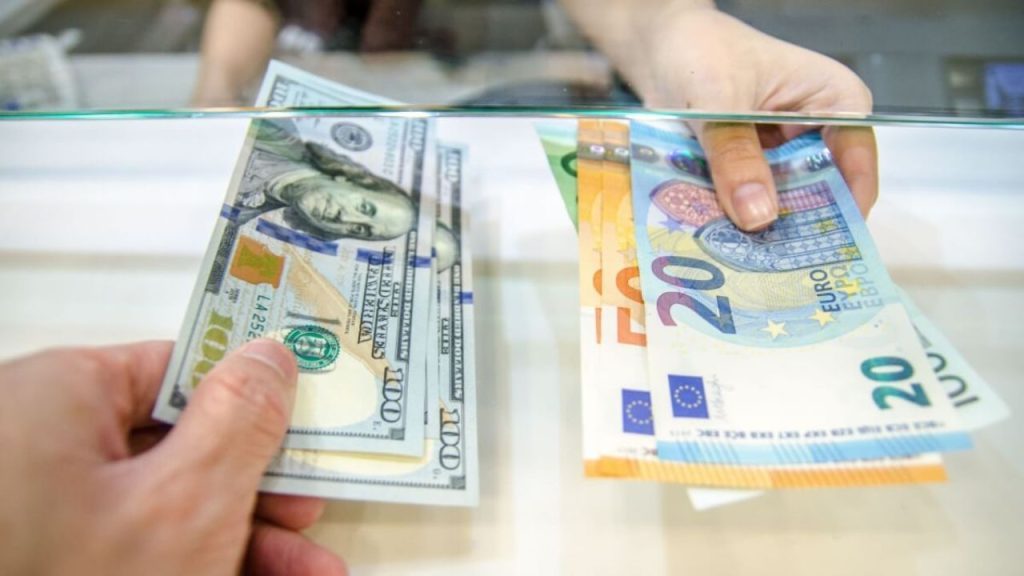
Math doesn’t just keep you from getting lost. It also keeps you from getting ripped off.
Say you’re in Tokyo, and a meal costs 1,500 yen. If you know the exchange rate is roughly 150 yen to the dollar, you can quickly estimate that your meal costs about $10. Close enough to make smart spending decisions—without pulling out a calculator every five minutes.
Percentages help, too. If a store has a 20% discount, and the price tag says 5,000 yen, you can calculate that the discount is around 1,000 yen. Simple, right? But when you’re in a hurry, these quick mental math tricks save time and money.
Angles, Distances, and Landmarks
Imagine you’re in Paris. You start at the Eiffel Tower and need to reach the Louvre. With no phone, what do you do?
Enter basic geometry. If you know that two landmarks form an angle with a third, you can estimate direction. For example, if the Arc de Triomphe is behind you and the Seine is on your left, you’re probably heading east. This method, called triangulation, is the same principle sailors use to navigate the open sea.
Distances work the same way. If it took you 15 minutes to walk from your hotel to a café, and the museum is about the same distance away, you can estimate your travel time. Rough math, sure. But useful? Absolutely.
City Grids and Patterns
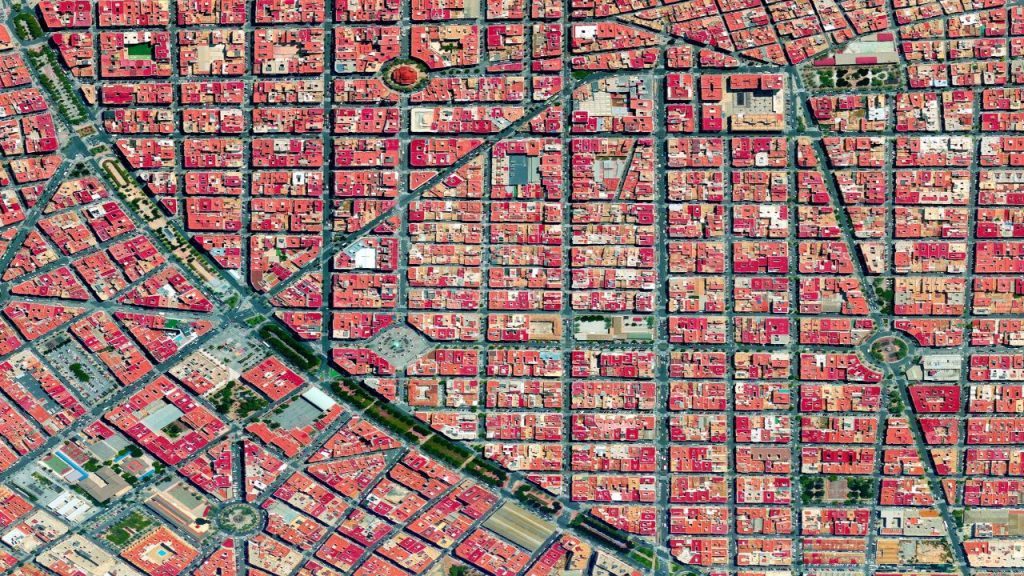
Ever noticed how some cities feel easier to navigate than others? That’s because many are designed using grids—a mathematical structure that makes moving around straightforward. Think of New York City. Streets run east-west. Avenues run north-south. It’s basically a giant game of Battleship.
But what about places that aren’t built on a neat grid? That’s where recognizing patterns comes in handy. Many older cities, especially in Europe, evolved naturally over centuries. Streets may seem random, but they often follow natural land features like rivers or hills.
Next time you’re in a foreign city, look for patterns. Are streets radiating from a central point? Are there repeating structures, like main squares or parallel roads? Spotting these can give you a sense of direction—even without GPS.
Avoiding Tourist Traps
Ever notice that the restaurants closest to major landmarks are the most expensive—and usually not the best? That’s because they count on tourists not doing the math.
The probability of finding a better meal just a few streets away? Very high. Walk five or ten minutes from a tourist hotspot, and you’ll often find food that’s cheaper and better. Math isn’t just numbers—it’s smart decision-making.
Final Thoughts: Math as Your Travel Superpower
You don’t need to be a math genius to navigate a foreign city. You just need to think logically, recognize patterns, and use basic arithmetic. City grids, distances, public transport, currency conversions—math is woven into all of it.
So next time you’re lost in an unfamiliar place, don’t panic. Look around. Spot the patterns. Estimate the distances. Trust the numbers. Because with a little math, you’ll never truly be lost again.